The school timetable is often perceived as a simple grid of time slots. Yet it is one of the invisible pillars of teaching quality. In Morocco, the question of how school time is organized is sparking increasing debate among teachers, parents, and education policymakers alike. Student fatigue, imbalance between subjects, lost instructional time, and territorial disparities — the challenges are numerous.
Faced with this reality, a structured, intelligent, and flexible approach like Planifica opens the door to a new way of thinking about school scheduling.
The Challenges of School Scheduling in Morocco
A Time Organization Often Disconnected from Students' Real Needs
In many Moroccan schools, timetables are built primarily around administrative constraints and teacher availability, rather than around students' learning rhythms.
Long school days, often split between morning and afternoon sessions, lead to increased fatigue, declining concentration, and ultimately reduced pedagogical effectiveness.
Excessive Fragmentation of School Days
The traditional split schedule (for example 8 AM–12 PM then 2 PM–6 PM) creates dead time that is difficult to use productively, especially in the absence of cafeterias, libraries, or supervised study spaces.
The result:
- Loss of pedagogical continuity
- Difficulty for students to stay engaged
- Cognitive overload during certain time slots
Territorial Inequalities That Directly Impact Schedules
Disparities between urban and rural areas are strongly reflected in school timetables:
- Teacher shortages
- Limited infrastructure
- Overcrowded classrooms or double-shift scheduling
These constraints force schools to adjust their schedules urgently, often without an overall vision or optimization tools.
Managing "Lost" School Time
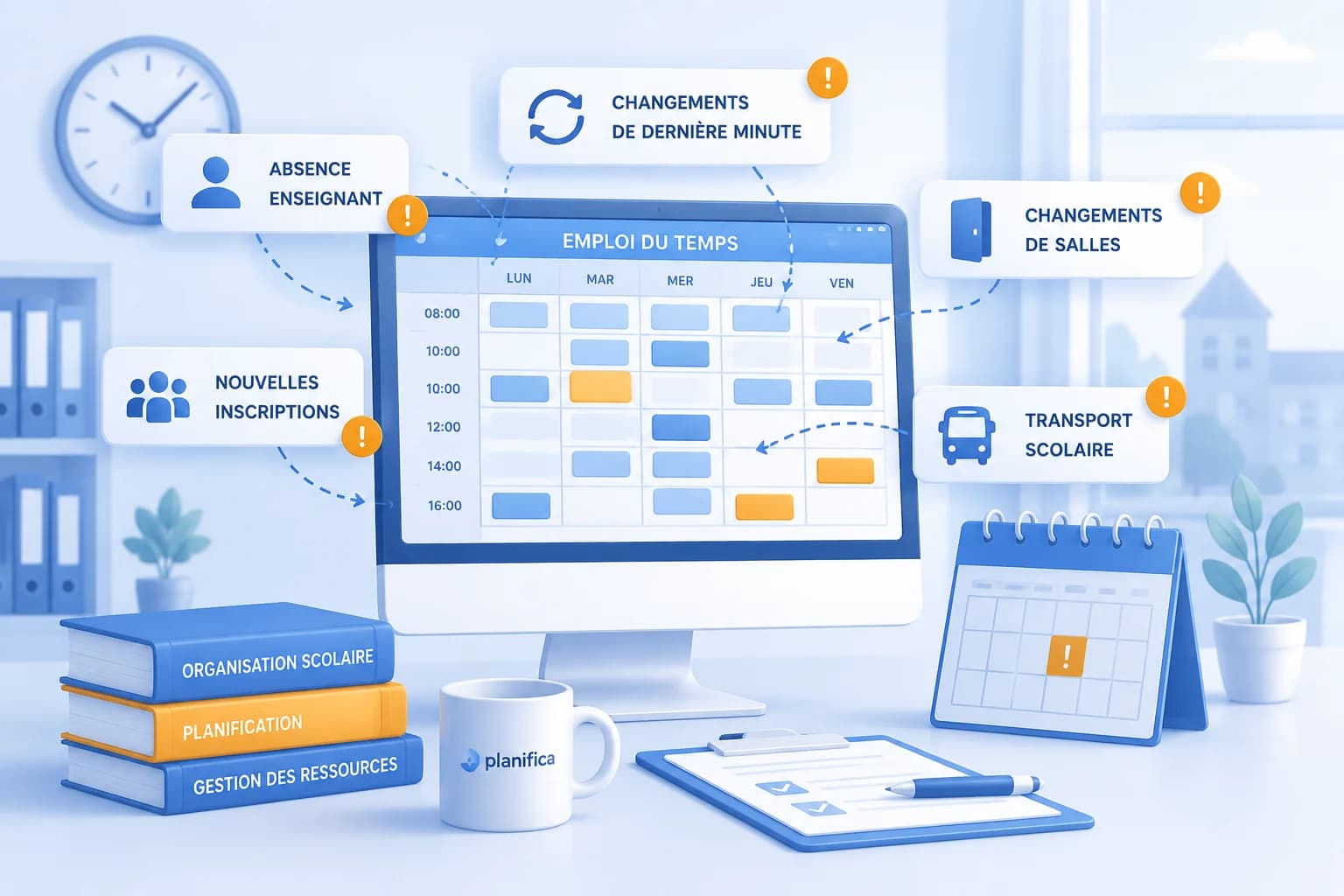
Strikes, exam rescheduling, weather conditions, or logistical disruptions cause a significant loss of instructional time every year. Rescheduling is frequently done manually, to the detriment of the original timetable balance and the workload of both students and teachers.
Solutions at the Institutional and Pedagogical Level
An Official Commitment to Better Time Management
The Ministry of National Education has launched several reforms aimed at a more rational and flexible management of school time, with emphasis on:
- Core learning fundamentals
- Equal opportunities
- Local adaptability of schedules
However, implementation remains challenging without effective tools to translate this vision into concrete, balanced timetables.
Rethinking School Rhythms
Experts agree on the need to:
- Reduce excessive fragmentation
- Better distribute demanding subjects across the week
- Integrate guided study or consolidation periods
This requires detailed planning, which is difficult to manage with traditional methods.
Modernizing Teaching Practices
Approaches such as active pedagogy or the flipped classroom help optimize classroom time, but they demand a strong alignment between pedagogy and schedule organization.
Planifica: A New Way to Think About School Scheduling
This is precisely where Planifica comes in.
From Static Timetables to Intelligent Planning
Planifica does not simply "place classes into slots." Its approach is built on:
- Analysis of real constraints (teachers, rooms, grade levels)
- Workload balancing across the schedule
- Automatic conflict detection
- Optimization of available resources
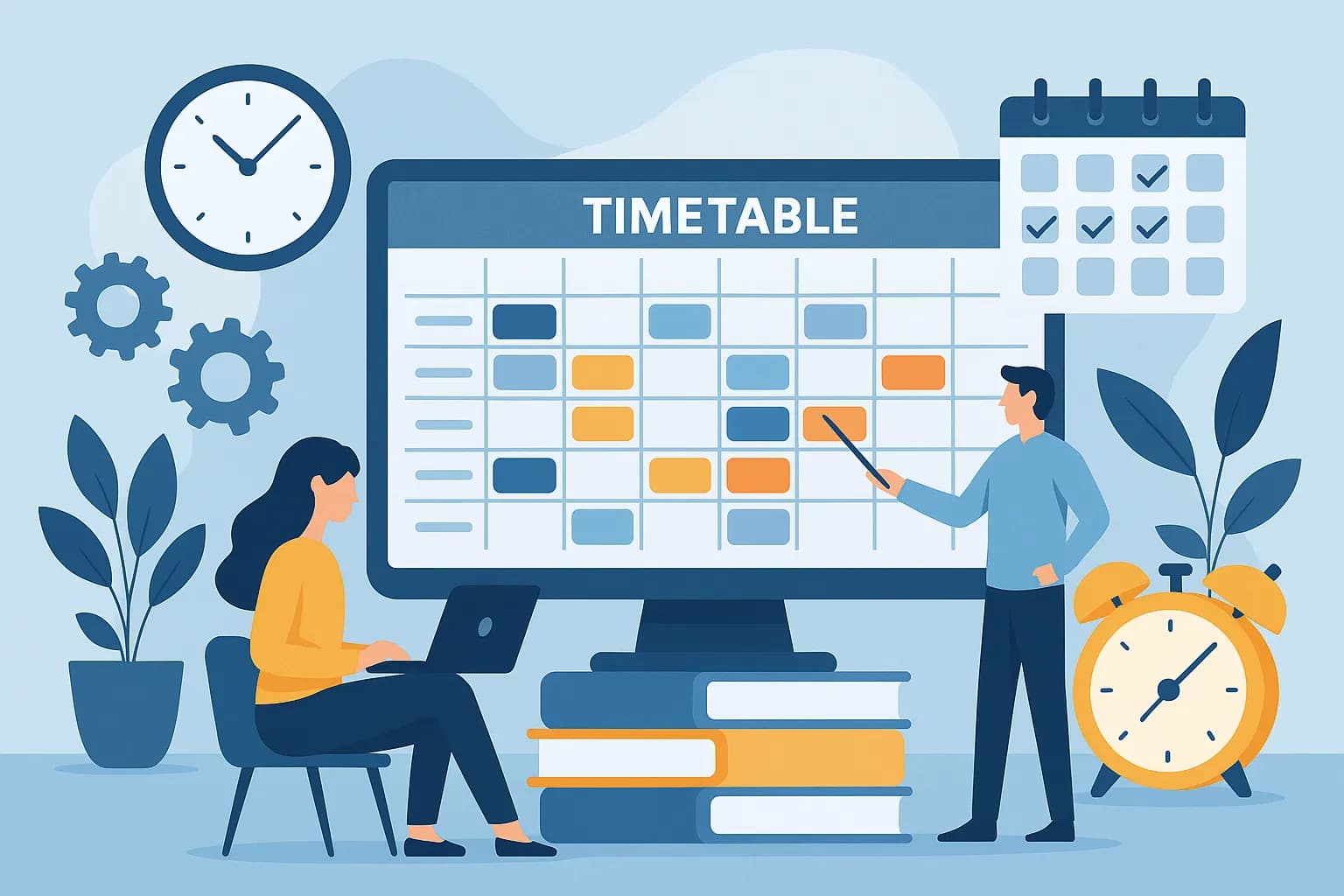
This approach relies on linear optimization algorithms to find the best possible arrangement among thousands of possibilities. In essence, Planifica treats the timetable as a living system that evolves with changing conditions.
A Concrete Response to Morocco's Challenges
With Planifica, it becomes possible to:
- Adapt timetables to local realities (urban/rural)
- Limit overly long or unbalanced school days
- Quickly reorganize schedules in case of disruptions
- Ensure a more equitable distribution of subjects across the week
Flexibility and Responsiveness at the Core
One of the major challenges of the Moroccan education system is the ability to react without creating disorganization. Through dynamic planning and instant updates, Planifica enables schools to:
- Recover lost instructional time
- Preserve pedagogical coherence
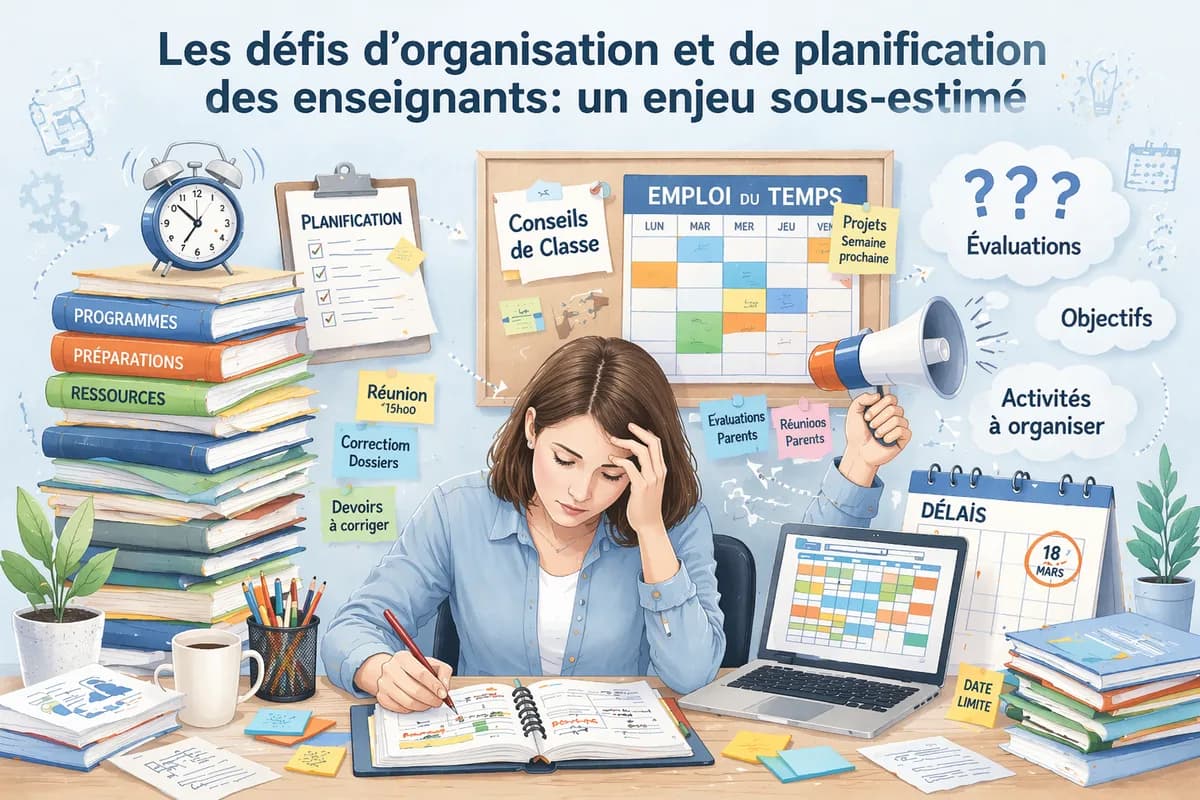
- Reduce the mental load on administrative teams
Toward a Better Organized and More Effective School
Improving school scheduling in Morocco is not just about adding hours or changing calendars. It requires a systemic vision, where time becomes a strategic resource in the service of learning.
By combining:
- Institutional guidelines
- Real pedagogical needs
- Intelligent tools like Planifica
it becomes possible to transform the school timetable into a true lever for educational success, benefiting students, teachers, and institutions alike.
To explore related topics, read our Comprehensive Guide to Educational Timetabling, our Schedule Optimization FAQ, or discover 10 Essential Questions School Administrators Ask. You can also learn about the foundational theory in The Science Behind Timetable Optimisation: Core Principles.